

Give Your Smart Home a Second Life
Today we focus on cutting smart home e-waste with refurbishment, part harvesting, and reuse programs, turning forgotten gadgets into reliable helpers again. Expect practical steps, real numbers, and neighborly stories that prove sustainability can be hands-on, affordable, and unexpectedly fun for families, tinkerers, and curious beginners alike.

Upgrade Cycles Versus Actual Needs
When an update banner flashes, it feels urgent to replace rather than rethink. Yet most smart devices perform core tasks reliably for years with minimal maintenance. Pause before buying the latest generation; compare features, audit needs, and consider whether a simple firmware refresh, power-cycle, or protocol bridge keeps everything humming. You’ll reduce waste, save money, and learn useful skills that demystify your connected home’s daily rhythm.

Lock‑In, Support Gaps, and Workarounds
Manufacturer lock‑in and expiring cloud services push otherwise capable gear toward obsolescence. Investigate bridges, local control options, and open integrations that bypass fading support. Community forums, independent documentation, and maintained adapters often restore functionality long after official updates stop. By decoupling devices from single vendors, you gain resilience, reduce e‑waste, and nurture an ecosystem where longevity matters more than novelty or marketing cycles.

From Junk Drawer to Donation Box
Transform your storage space into a purposeful staging area. Sort devices by condition, cables, and power needs, add quick test notes, and decide whether each item is best for refurbishment, part harvesting, or direct donation. A labeled box, a shared spreadsheet, and one recurring weekend session can convert passive clutter into active community value, delivering working tools to neighbors, schools, and local initiatives that truly need them.
Refurbishment That Actually Works
Effective refurbishment is systematic, not improvised. Start with careful inspections, document faults, and triage items by effort versus impact. Replace consumables like power adapters, gaskets, and thermal pads; refresh firmware when safe; and run standardized tests. Cleanliness, clear labeling, and simple user guides transform previously abandoned gadgets into dependable, understandable tools that a new owner can deploy confidently without frustration, confusion, or hidden safety risks waiting to surface later.
Diagnosis Before Disposal
Begin with a visual check of ports, headers, antennas, and lenses. Record symptoms, reproduce errors, and verify power behavior with a meter. Many faults stem from loose connectors, weak power bricks, or accidental factory reset needs. Document everything in a small card taped to the device. This discipline reduces repeat work, speeds community help, and separates candidates for quick fixes from those better suited to harvesting parts responsibly.
Deep Clean, Reseat, and Test
Dust, oxidized contacts, and misaligned ribbons can cripple performance. Use isopropyl alcohol, antistatic brushes, and gentle compressed air. Reseat modules, reseal gaskets, and check thermal paths. Then run repeatable tests: connectivity, sensor accuracy, audio capture, video clarity, and sleep current. Maintain a pass checklist so future owners trust the result. Small, careful actions restore reliability, prevent intermittent failures, and demonstrate how patient care outlasts careless upgrades every single time.
Prepare for a Confident Handover
Refurbishment succeeds when the next user smiles, not struggles. Include a short quick‑start card, a QR link to manuals, and a note explaining any quirks. Add labeled cables, a tested power supply, and default credentials inside a sealed envelope. Packaging that protects, instructions that empower, and evidence of testing transform a risky unknown into a welcoming companion ready for daily use without guesswork, dead ends, or frantic late‑night troubleshooting.
Part Harvesting with Purpose
Some devices are beyond economical repair, yet brim with valuable components. Harvesting responsibly preserves sensors, antennas, power modules, motors, lenses, and enclosures that extend other projects. By documenting provenance, labeling specifications, and storing parts in anti‑static bags, you build a community inventory that reduces purchases, avoids shipping emissions, and inspires creative reuse. Purposeful harvesting turns losses into wins, especially for makerspaces, repair cafés, classrooms, and budget‑conscious households learning together.
Unplug, discharge capacitors, and observe battery safety before lifting a screwdriver. Photograph assemblies as you go, note connector types, and preserve screws in labeled pouches. Measure components where possible and write voltage, pinouts, and tested status directly on the bag. Clear, consistent labeling turns random salvage into a trustworthy library that accelerates repairs, reduces duplication, and supports collaborative projects where anyone can confidently select parts without second‑guessing mysterious origins.
Common keepers include power supplies, Wi‑Fi or Zigbee radios, speakers, microphones, buttons, sensors, camera modules, hinges, and weatherproof housings. Even tiny standoffs, gaskets, and thermal pads frequently rescue unrelated repairs. Establish personal thresholds: how often you reuse certain parts, how much space you can spare, and which standards you prefer. This intentional filter keeps inventories lean, accessible, and genuinely useful rather than bloated with someday hopes that never materialize.
Harvested parts shine in practical remixes: replacing a cracked lens on a door camera, upgrading an aging antenna on a hub, or repurposing a motion sensor into a hallway night‑light. Document your builds with photos, wiring notes, and cost savings. Share kits at community events to teach others. Each successful remix displaces a new purchase, shrinks e‑waste, and proves that creativity, not consumption, powers the smartest homes on the block.

Reuse Programs That Build Community
A single household can make a dent; a neighborhood can reshape norms. Organize ongoing exchanges, lending libraries, and donation routes that match refurbished gear with eager users. Coordinate with libraries, schools, shelters, and mutual aid groups. Align efforts with manufacturer take‑backs and municipal recycling so nothing falls through cracks. Transparent tracking, clear safety rules, and warm storytelling transform small wins into steady momentum that grows every month without fading enthusiasm.
Swap Nights and Lending Libraries
Host quarterly gatherings where neighbors test, trade, and learn. A folding table, power strips, and a guest Wi‑Fi network enable quick demonstrations. Offer simple intake forms, label devices with readiness status, and maintain a lending shelf between events. People discover alternatives to buying new, friendships form around shared tinkering, and trusted stewards emerge who keep the library flowing smoothly while celebrating every returned device that enjoyed another useful tour.
Take‑Backs and Responsible Partners
Not every manufacturer program is equal. Favor partners that publish refurbishment rates, component recovery metrics, and worker safety standards. Ask for data, not slogans, and advocate for reuse before shredding. When a program returns functioning devices to community channels, amplify their success publicly. Accountability attracts volunteers, secures grants, and normalizes longevity. Your questions today set expectations tomorrow, nudging entire supply chains toward durability, repairability, and meaningful environmental progress measured honestly.
Schools, Makerspaces, and Mutual Aid
Classrooms crave affordable sensors and cameras for STEM projects; makerspaces turn spares into teaching tools; mutual aid groups outfit seniors with voice controls that improve safety. Establish wish lists, align donation standards, and schedule training workshops. Provide printed guides and mentor hours. By routing refurbished devices where they deliver dignity and learning, your program builds empathy, measurable impact, and a steady feedback loop that keeps quality high and participation joyful.
Wipe Accounts and Reset Firmware
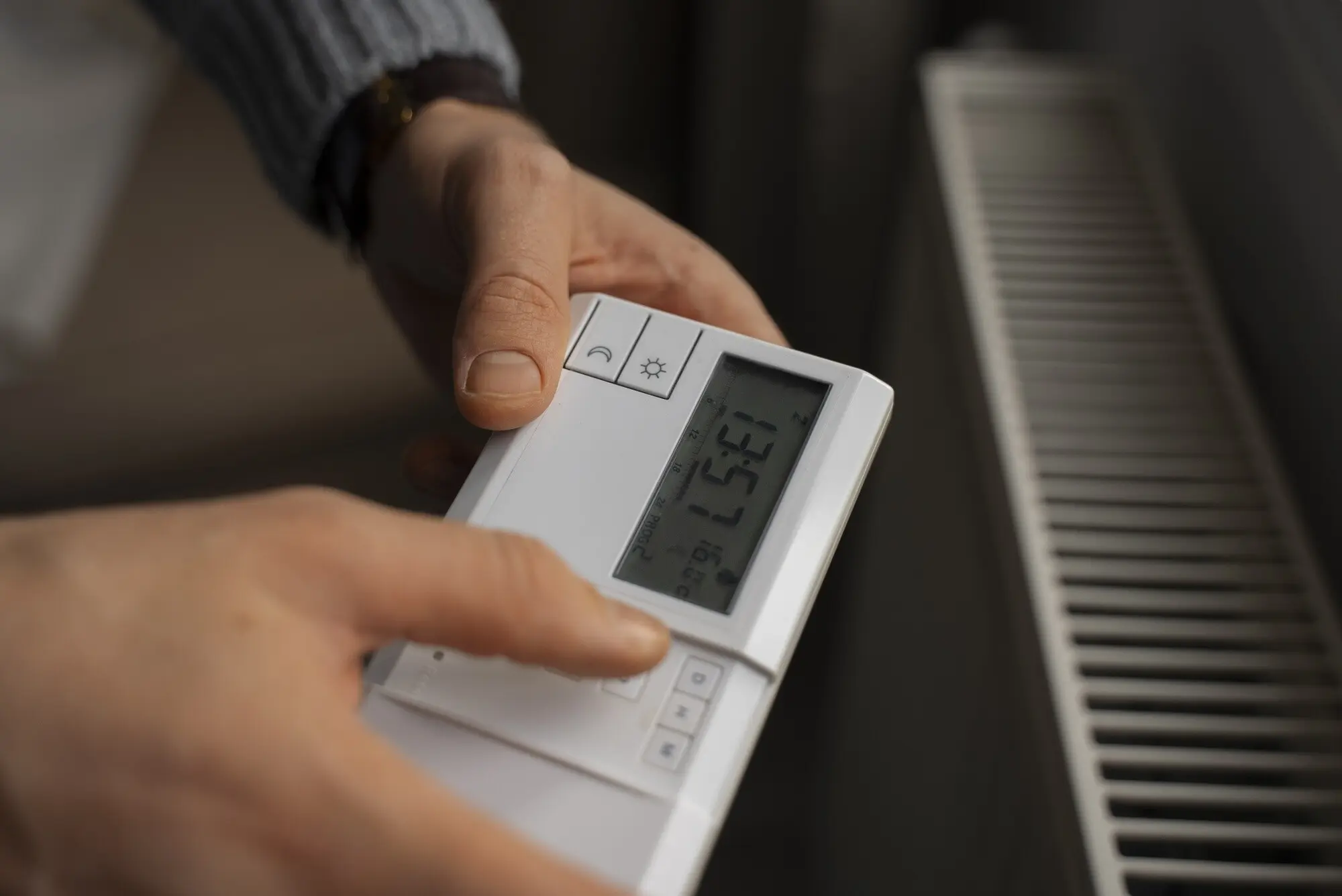
Log out cloud services, remove device authorizations, and transfer ownership where supported. Perform verified factory resets, then update to stable firmware that does not require abandoned apps. Disable unnecessary telemetry and confirm local operation. Provide a one‑page setup guide showing screenshots and default steps. When privacy is baked into the handover, recipients feel respected, confident, and prepared to enjoy functionality without inherited notifications, ghost automations, or confusing permissions lingering from prior households.

Power, Batteries, and Safe Packaging
Inspect power supplies for heat damage, frayed insulation, and counterfeit labels. Test battery swell, internal resistance, and cycle health; recycle anything questionable. Use antistatic bags, padding, and clear hazard markings. Include the correct, tested adapter to prevent risky improvisations. Safety‑first presentation communicates care and professionalism, protecting families and preserving the goodwill that keeps reuse programs thriving, funded, and recommended by cautious recipients who appreciate diligence more than flashy promises or shortcuts.
Measure Impact and Keep Momentum
What gets measured improves. Track kilograms diverted from e‑waste, devices restored, parts harvested, buyer dollars avoided, and shipping emissions saved. Publish monthly tallies, celebrate milestones, and highlight human stories behind the numbers. Invite readers to pledge a repair, donate a spare, or host a swap. Small, consistent wins accumulate, inspire newcomers, and help secure grants that scale efforts responsibly without losing the welcoming, neighborly spirit that makes everything possible here.
Simple Metrics Anyone Can Use
Create a shared spreadsheet with fields for device type, condition, repair time, parts replaced, and projected lifespan extension. Convert avoided purchases into carbon and cash estimates using transparent calculators. Post results on a community dashboard. When progress is visible, helpers return, skeptics soften, and funders listen. Clarity turns isolated projects into a movement fueled by honest data, gratitude, and practical next steps that feel achievable week after week.
Stories That Change Habits
Data persuades, but stories endure. Share before‑and‑after photos, quotes from recipients, and repair notes revealing small triumphs and occasional missteps. Invite comments, requests, and volunteer sign‑ups at the end of each post. When people see neighbors succeeding, they try themselves. This gentle social proof makes thoughtful reuse normal, shrinking guilt‑ridden drawers and replacing them with cheerful shelves of gear ready for encore performances throughout the neighborhood.
Pledges, Goals, and Celebrations
Encourage readers to pledge one repair per month, one donation per quarter, or one hosting slot per season. Set collective goals, track progress publicly, and celebrate with certificates, stickers, or shout‑outs. Rituals matter; recognition keeps energy high. Regular gratitude notes, monthly roundups, and seasonal showcases make participation rewarding, turning periodic enthusiasm into dependable cadence that expands reach and makes responsible smart home stewardship feel refreshingly achievable together.
All Rights Reserved.